It is a known fact that free radicals in the human body are harmful to health, and that antioxidants have a protective function. Many expect miracles from the latter, while others do not attribute high importance to them. Professor Csaba Szabó, pharmacologist at The New Jersey University of Medicine, in his study the “Kamikaze molecules: influence of free radicals from vitamin C to Viagra” provides an accurate explanation of the physiological role of free radicals and antioxidants in the development of diseases.
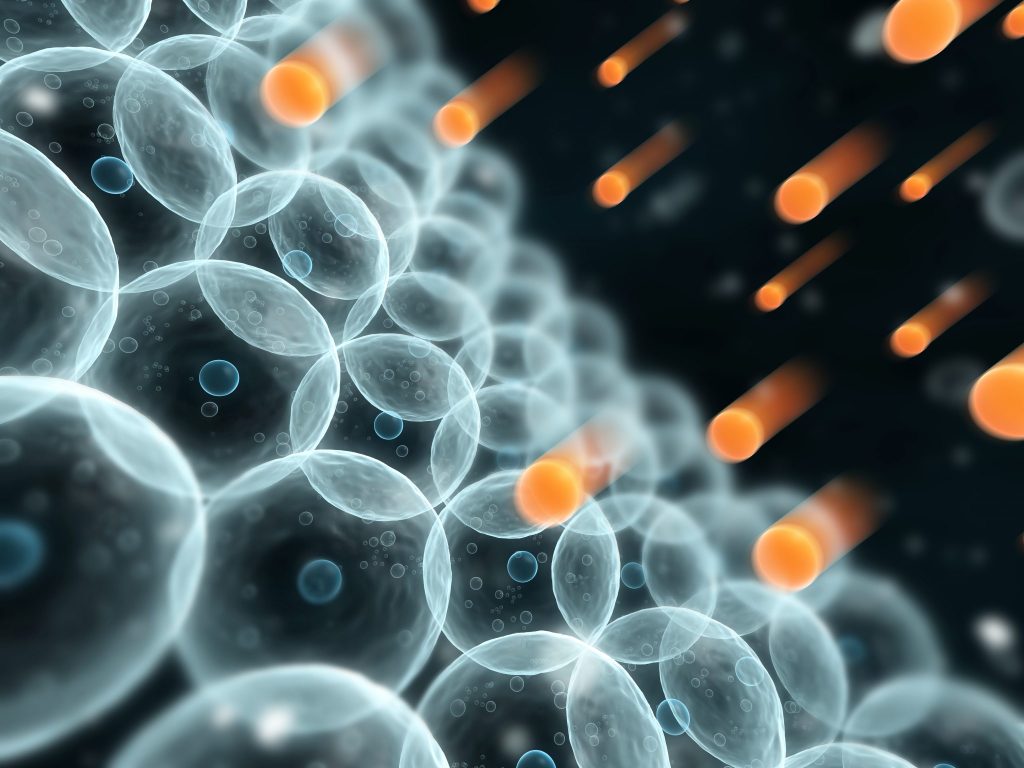
The connecting elements of the molecules in the human body are made up of stable, even number of electron bonds. Sometimes (as a result of different impacts) however, there can be molecules with an odd number of electrons. These are the free radicals. Their condition is extremely unstable, and therefore they are seeking an urgent supplement to their electron number, meaning they are trying to “rob” electrons from molecules with an even number of electrons. As a result of the connection to a stable molecule, the free radical is destroyed, but the molecule (fats, protein, DNA) which is connected to it changes its structure and function. It could result in cell disintegration or tissue damage. The researcher explained that free radicals are divided into two groups: oxygen- and nitrogen-derived free radicals. They can be produced, for example, by oxygen molecules in mitochondrial breathing or by inflammatory reactions in tissues. Not only metabolism processes in the body can form free radicals, but they can also be introduced to the body through environmental impact. Pollution (contaminated air, smoking, ionising radiation or sunlight, chemicals in food, etc.)) is a good example to this impact. Although free radicals can attack all cells in the body, their adverse effects are most commonly expressed in the heart and vascular system, brain and nerves, digestive system, kidney, liver and lungs.
Free radicals are found in all healthy bodies, they play a role in running the body smoothly as the body can utilize them for its own purposes; the oxygen-derived ones, for example, are used to fight against pathogens. The relatively stable nitrogen-derived nitric oxide is used in the brain, the heart and vascular system and partly in the nervous system as a secondary signal transmitter. This function has also raised the interest of pharmacists. Researchers, who discovered the biological role of nitric oxide, received the Nobel Prize for Medicine.
A kutatók egyike megfigyelte, hogy az erek belső falán található egy sejtréteg (endotél), amely egy enzim segítségével nitrogén−monoxid szabadgyökök termelésére alkalmas. Azok értágító hatása az erek falában lévő izomsejtekbe is el− jut. Az endotél által termelt nitrogén−monoxid szabadgyök az ereket folyamatosan „nyitott” állapotban tartja és meggátolja, hogy a fehér− vérsejtek és vérlemezkék hozzátapadjanak az érfalhoz. E felfedezés nemcsak újfajta hatás− mechanizmusú szívérrendszeri betegségeket gyógyító készítmények kifejlesztése előtt nyitotta meg az utat, hanem (a kutatás „mellék− termékeként”) forradalmasította a potencia-serkentő/növelő gyógyszerek addig meglehetősen labilis és esetleges hatású gyógyszereinek kutatási területét is. Az endotél-sejtek károsodása esetén megszűnik a nitrogén−monoxid termelés, aminek következményei agyi és szívérrendszeri katasztrófa lehet. A sejteket károsítja a magas vérnyomás, az érelmeszesedés, a diabétesz, a dohányzás és a szervezet öregedési folyamatai is. A károsodás pedig ér− szűkületre, trombózis képződésre hajlamosít. Az endogél−sejteken kívül a nitrogén−monoxid termelő enzimek a szervezetben másutt is előfordulnak. Speciális formája a gyulladásos folyamatok megjelenésekor keletkező variáns, amely a behatoló kórokozókat támadja meg. Előfordul, hogy bizonyos esetekben (pl. szeptikus sokkban) nitrogén−monoxid túltermelés mutatkozik, amely kórosan tágíthatja az ereket, ami miatt a szisztolés érték kritikus, életveszélyes állapothoz közelire csökkenhet. A gyógyításban a nitrogén−monoxidot ma már nemcsak gyógyszer formájában használják fel, hanem belélegeztetett gázként értágításra, illetve bizonyos esetekben újszülöttek lélegeztetésénél. Nitrogén−monoxidot az agysejtek is termelnek, aminek többek között a memória kialakulásában van jelentősége. Ezek a szabadgyök molekulák tartják fenn az agyi véráramlás egyensúlyát is.
The human body fights against harmful free radicals with a special defense mechanism. The balance of the protective system, which is extremely important for maintaining health, can be disrupted if the body overgrows free radicals or if the antioxidant systems fail. There is hardly any disease where we cannot detect the role of free-radicals.. Az egészség megtartása szempontjából rendkívül fontos védekező rendszer egyensúlya megbomlik, ha a testben túlszaporodnak a szabadgyökök, vagy ha meghibásodnak az antioxidáns rendszerek. Szinte nincs is olyan betegség, amelynek kialakulásában ne volna felfedezhető a szabadgyökök szerepe.
A cukorbetegeknél például a magasabb vércukorszint következtében a normális mértéknél több szuperoxid−gyök keletkezik, és az öregedési is ilyen folyamatokat indukál. Bár a szervezet védekező rendszere képes bizonyos mennyiségű szuperoxid−gyök megsemmisítésére, azok túlságos felszaporodása a fehérjékben és a mitokondriális genetikai állományban károsodásokat okozhat. A kutatók többsége úgy véli, hogy különféle rosszindulatú daganatos betegségeknél létrejövő DNS−mutációk kialakulásában is jelentős szerepe lehet a szabadgyököknek. Ma még eldöntendő kérdés, hogy az antioxidánsokban gazdag táplálkozás vajon csökkenti−e a rák kialakulásának esélyeit. A szervezetbe többféle antioxidáns védekező rendszer ellensúlyozza a szabadgyökök károsító hatásait. Ezek közül legfontosabbak az antioxidáns enzimfehérjék, a vitaminok és a kis molekulájú antioxidánsok.
The role of antioxidants is to transfer from their own electrons to free radicals so that they can, by transforming their structures, prevent or slow down their original destructive effects. The most important of low molecular weight antioxidants are vitamin C, Vitamin E and the provitamins of Vitamin A: beta carotene and glutathione. The existence or absence of these determines the degree of oxidative damage caused by free radicals in the body. Studies have shown that cells treated with glutathione, antioxidant proteins or antioxidant vitamins can be protected from harmful oxidative processes. The results of laboratory animal studies suggest that over-production of free radicals can also play an important role in harmful processes of ageing. For example, in the development of memory impairment, cardiac and vascular damage, hearing and visual impairment, or in the development of hair loss and gray hair, skin wrinkles and the loss of sexual potency. In the elderly body, an increased number of free radicals as well as protein, fatty acids and DNA mutations caused by oxidants can be detected due to the weakening of the antioxidant systems. In the experiments, the removal of free radicals from the body resulted in an extension of the animal’s lifespan. Based on these findings, researchers assume that by taking action against free radicals, which play an important role in ageing processes, we can prolong life expectancy. It is an important scientific observation that thin people (that is, people who eat small amounts) live longer. The reason is that excessive food consumption is associated with increased radical production., hogy saját elektronjaikból adnak át a szabadgyököknek, így azok szerkezet átalakulásával megakadályozhatják vagy lassíthatják eredeti romboló hatásukat. A kis molekulájú antioxidánsok közül legfontosabbak a C−, E−vitaminok, valamint az A−vitamin provitaminja a béta−karotin, továbbá a glutation. A felsoroltak léte vagy hiánya határozza meg a szervezetben a szabadgyökök által okozott oxidatív károsodások mértékét. Kísérletek igazolták, hogy a glutationnal, antioxidáns fehérjékkel vagy antioxidáns vitaminokkal kezelt sejtek megvédhetők a káros oxidatív folyamatoktól. Laboratóriumi állatkísérletek eredményei arra engednek következtetni, hogy a szabadgyök túltermelődésnek fontos szerepe lehet az öregedéssel járó káros folyamatokban is. Így például a memóriazavar, a szív− és érrendszer károsodások, a hallás és látásromlás kialakulásában, vagy a hajhullás és őszülés, a bőr ráncosodása, illetve a szexuális potencia csökkenésének folyamatában. Az idős szervezetben kimutathatók az antioxidáns rendszerek gyengülése miatt felszaporodott szabadgyökök, illetve az oxidánsok által okozott fehérje, zsírsav és DNS−mutációk. A kísérletekben a szervezetből kiiktatott szabadgyökök, az állat életének meghosszabbodását eredményezték. Mindezek alapján a kutatók azt feltételezik, hogy az öregedési folyamatokban fontos szerepet játszó szabadgyökök ellen való fellépéssel meghosszabbítható az élettartam. Fontos tudományos megfigyelés, hogy a sovány (vagyis keveset evő) emberek tovább élnek. Oka, hogy a túlzott ételfogyasztás fokozott gyöktermeléssel jár.
There are researchers who, despite the experimental results referred to in the previous paragraph, claim that with continuous food deprivation, humans would only live one to two years longer than those following a normal diet. Others, on the other hand, have high hopes for the discovery and believe that, in the foreseeable future, human life can be extended to 120-130 years. Based on the experimental results, we can easily think that the harmful effects of free radicals and oxidants can be easily neutralised by taking vitamins and food supplements containing antioxidants and radical scavengers. If this was the case, almost any disease could be prevented. laikusként azt gondolhatnánk, hogy a szabadgyökök és oxidánsok ártó hatásai könnyű szerrel semlegesíthetők a szervezetbe juttatott antioxidánsokkal és gyökfogókat tartalmazó vitaminokkal, táplálék− kiegészítőkkel. Vagyis szinte minden betegség megelőzhető lenne.
But reality is much more complicated than that. Researchers in America and England achieved a 25-50% reduction in the number of fatal heart attacks among those participating in their study, during which the participants took very high doses of Vitamins E and C. Vitamin E taken in mega dose for a few months has made the blood vessels more flexible. However, other studies have not demonstrated the protective effect of taking high doses of vitamins for a longer term, and there have been other observations, which considered this kind of treatment particularly harmful. In Finland, for example, 30,000 male smokers were given high doses of beta−carotene and vitamin E regularly to prevent lung cancer. Later, among the participants 18% more were diagnosed with lung cancer than among the smoking average population. Some animal studies have also shown an excellent effect on the prevention of atherosclerosis, diabetes and infarction. On the other hand, when this mega dose used in animals was converted to human amounts, it turned out that the daily amount to be taken would be unimaginably large and impractical. For example, vitamin E should be consume in quantities of 1-2% of the amount of our daily food intake. megadózisú E− és C−vitamin adagolásával elérték, hogy a kísérletben résztvevők körében 25–50 százalékkal csökkent a halálos kimenetelű szívinfarktusok száma. Néhány hónapon át megadózisban szedett E−vitamin hatására pedig rugalmasabbá váltak az erek. Más vizsgálatok viszont nem igazolták a tartósan, nagy adagban szedett vitaminok védő hatását, illetve voltak olyan megfigyelések is, amelyek azt kifejezetten károsnak ítélték. Finnországban például harmincezer dohányzó férfinak adtak nagy adagban rendszeresen béta−karotint és E−vitamint, hogy ezzel elejét vegyék a tüdőráknak. Később a résztvevők között 18 százalékkal több tüdőrákost diagnosztizáltak, mint a dohányzó átlag populációban. Az is előfordult, hogy az állatkísérletekben kiváló hatást értek el az érelmeszesedés, a diabétesz, az infarktus megelőzésében. Az azokban használt megadózis mennyiségét emberre átszámolva viszont kiderült, hogy a beszedendő napi mennyiség elképzelhetetlenül és kivitelezhetetlenül nagy lenne. E−vitaminból például az össztáplálék napi mennyiségének az 1−2 százalékát kellene elfogyasztani.
In spite of the uncertain results of the studies about vitamins in a high dose, antioxidative components can now be found in a number of high-efficiency medicines. Such as n−acetyl cysteine treating cystic fibrosis, blood fat−reducing statins or Deprenyl used in the treatment of Parkinson’s disease. There are researchers who are of the opinion that classical antioxidants are not effective enough when administered to the body, so experiments are being carried out to develop “enhanced” variants. These are expected to be able to reproduce electrons delivered to the free radicals in the oxidative process. Thus, a single antioxidant molecule could fight countless free radicals. egyetlen antioxidáns molekula számtalan szabadgyökkel veheti fel a harcot.
From time to time, we can read reports of scientific results referring to the excellent antioxidative effects of certain food. In the past, carrots, olive and fish oil, soya, broccoli, tomatoes have been referred to as “miracle formula,” and now red wine, black chocolate, green and white tea. These can obviously help the body’s antioxidant protection system work, but you can’t expect them to work miracles. Large quantities cannot be consumed from any of them, but they may be useful in moderation. In addition to healthy eating, regular sports activities can also play a protective role. To a certain extent, going to the sauna may also strengthen the functioning of protective mechanisms. Compared to their male counterparts, women of childbearing age are in a fortunate position, as in their bodies oestrogen regulates the most important free radical reactions. Oestrogen not only neutralizes harmful free radicals, but also stimulates the production of protective nitric oxide radicals. Thus preventing damage to the endothelial cells. During the course of aging however, the level of oestrogen decreases and women become as vulnerable to cardiovascular disease as men. Régebben a sárgarépát, az olíva− és halolajat, a szóját, a brokkolit, a paradicsomot emlegették ilyen „csoda− szerként”, mostanában a vörösbort, a fekete csokoládét, a zöld és fehér teát. A felsoroltak nyilvánvalóan segíthetik a szervezet antioxidáns védő rendszerének a működését, de csoda nem várható tőlük. Egyikből sem fogyaszthatók hatalmas mennyiségek, mértékkel viszont hasznosak lehetnek. Az egészséges táplálkozás mellett védő szerepe lehet a rendszeresen űzött sporttevékenységnek is. Bizonyos mértékig a szaunázás is erősítheti a védekező mechanizmusok működését. Férfi társaikhoz képest szerencsés helyzetben vannak a fogamzóképes korú nők, akiknek szervezetében az ösztrogén szabályozza a legfontosabb szabadgyök reakciókat. Az ösztrogén nemcsak hogy semlegesíti az ártó szabadgyököket, hanem ösztönzi a védő nitrogén−monoxid gyökök termelődését is. Ezzel megakadályozza az endotén−sejtek károsodását. A kor előrehaladtával az ösztrogénszint csökkenésével a nők ugyanolyan sérülékenyek lesznek a szív− és érrendszeri betegségekkel szemben, mint a férfiak.